
Monica Pay offers a virtual USD card funded by selling crypto for naira, but its narrow geographic focus and limited transparency raise questions
 Available in US
The Monica Pay card is a virtual Visa and Mastercard denominated in US dollars, issued through a Lagos-based company called Monica Technologies Limited, and funded by selling cryptocurrency for Nigerian naira inside the Monica app. If you live in Nigeria and want to spend crypto at any merchant that takes Visa or Mastercard, this is what the product looks like and where it fits. If you are anywhere else, the picture is murkier, because the card’s public pages are written almost entirely for a Nigerian audience and never publish a country list.
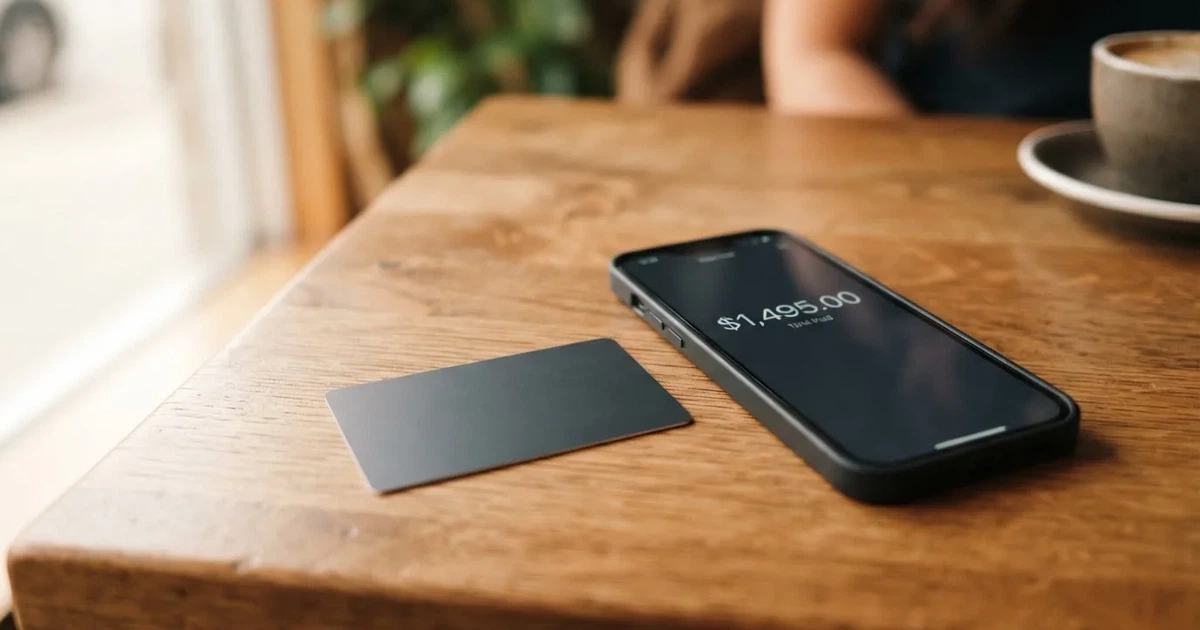
Conditions are current as of October 28, 2026.
This review walks through who Monica says it is for, what it costs to get and use the card, how the funding flow actually works, and what can go wrong, before I compare it to three alternatives and answer the questions readers most often type into search. The conditions described are current as of 2026-10-20.
Verdict
I gave the Monica Pay card a 5.6 out of 10. That score is not a single number I plucked from the air; it is the sum of five marks for the things that actually matter when you rely on a card day to day: who can get one, what it costs to run, how flexibly you can top it up, how reliable the company and its reviews look, and how smoothly it works in everyday use. The mark for everyday use pulls the total down, and the mark for accessibility pulls it down further. The mark for cost pulls it up, and that is the one bright spot.

| Criterion | Mark | Why |
|---|---|---|
| Who can get it | 2/10 | The product is built for Nigeria (Lagos, NGN payouts, “EN-NG”); no country list is published. |
| Cost | 9/10 | 0% conversion fees on selling crypto for naira and loading the card; unofficial $1 card unlock. |
| Top-up options | 7/10 | Seven coins supported (BTC, ETH, SOL, TRX, BNB, USDT, USDC); networks are not itemised. |
| Reliability and complaints | 6/10 | Claims SEC VASP-framework alignment; issuer unnamed; Trustpilot data is too thin to judge. |
| Everyday use | 4/10 | Virtual USD card with NFC and QR; no Apple Pay or Google Pay; no ATM. |
| Total | 5.6/10 |
The card suits a fairly specific reader: someone resident in Nigeria who already holds Bitcoin, Ethereum, Solana, Tron, BNB, USDT or USDC and wants a virtual dollar card they can load with naira without paying a conversion fee. It does not suit readers outside Nigeria looking for a transparent, globally available crypto card, because the company has not given them anything to read. It also does not suit anyone who needs a physical card, ATM withdrawals, or a wallet they can add to Apple Pay or Google Pay, because none of those are part of the offering as described.
Who Monica Pay will give the card to
Monica Pay’s public pages are written for a Nigerian audience. The company lists its location as Lagos, sets the default language to “EN-NG”, and talks about “NGN payouts”. There is no published list of supported countries, no stated list of excluded countries, and no residency or citizenship form to check yourself against. That is unusual for a payment card, even a virtual one, and it means a non-Nigerian reader has to work out eligibility on their own.
The card itself works wherever Visa or Mastercard is accepted, because that is how card networks operate: once you have a valid PAN (the 16-digit number on the front), the network routes the authorisation regardless of where the shop sits. The issuing bank, however, sits somewhere else, and the BIN (the first six or eight digits of the card number) tells the merchant’s terminal which country the card came from. If the issuing country differs from the cardholder’s billing address, the merchant may apply extra scrutiny, and some merchants decline foreign-issued prepaid cards altogether. Monica does not name the issuer, so readers cannot even check the BIN before applying.
Monica’s terms bar use from any jurisdiction where crypto-asset services are unlawful, but the company does not list those jurisdictions for you. The result is that the card’s reach is officially “the world, subject to local law”, and the practical reach is “probably Nigeria, possibly more, but the company will not say”.
How to sign up
Sign-up happens inside the Monica mobile app, which is available on iOS and Android. The company describes a “one-screen KYC” process, which suggests a single page where you enter your details and upload documents in one go. The terms say only “eligible verified Users” may apply, and Monica reserves the right to refuse or to run additional checks at any time, but the company does not publish the specific documents it asks for, the age threshold, or what its card-specific verification tiers look like. (General verification tiers do exist under clause 5.2, and they apply to naira withdrawals, but the card section is silent.)
What you get at the end of the sign-up is a virtual debit card denominated in US dollars. The card is offered as both a Visa and a Mastercard; the Pay Cards product, which is the brand Monica uses for its card range, supports NFC tap-to-pay and QR payments. There is no physical card and therefore no delivery step. You open the wallet on your phone, pay, and the card stays on the device.
What the Monica Pay card really costs
Monica’s main cost claim is that selling crypto for naira inside the app and then loading the card from the naira balance carries 0% conversion fees. The same line says the foreign exchange (FX) spread is set by the card scheme operator (Visa or Mastercard) and that Monica does not retain any of it. Other fees are not stated in the public materials I checked: no monthly maintenance fee, no inactivity fee, no top-up fee, no ATM fee, no decline fee.
| Fee or limit | Amount or status |
|---|---|
| Card unlock (one-time, non-refundable) | $1 — unofficial, from a third-party app listing (2026) |
| Conversion (crypto to naira) | 0% |
| FX spread on card spend | Set by scheme operator; Monica retains none |
| Monthly maintenance | not stated |
| ATM withdrawal | not stated (no ATM access described) |
| Daily and monthly spending limits | Managed in real time in the app; specific amounts not stated |
A note on the unofficial figure: Monica’s own pages do not state the $1 card unlock fee, and the only source I found for it is a third-party app listing from 2026. Treat that fee as unconfirmed by the card issuer itself. The 0% conversion claim, on the other hand, is on Monica’s own materials and is the most concrete cost fact in the entire product.
Spending limits are managed in real time, which means you can dial them up or down in the app, but Monica does not publish the actual minimums and maximums. The terms warn that transactions outside Nigeria may be subject to “additional regulatory limits”, which is the company’s way of saying it does not know what the card’s ceiling will be in your jurisdiction. The card is single-tier, with no premium or business plan that lowers the headline cost.
Three everyday payments, worked through
Coffee at a Lagos café, paid in naira, card loaded from crypto. You sell USDT for naira in Monica, the naira lands in your Monica balance, the card is already funded in dollars, the terminal converts the naira price to dollars through the Visa or Mastercard scheme, and you pay the 0% conversion fee Monica charges. The scheme spread still applies, and that is set by the network.
Online subscription, paid in US dollars, billed to a US merchant. The card spends straight from its USD balance, no currency conversion happens, and the 0% conversion claim does not even come into play because there is nothing to convert. You pay only what the merchant charges.
In-store purchase abroad, paid in euros, terminal in France. The card settles in dollars, the scheme converts dollars to euros for the merchant, the FX spread is the network’s, and Monica adds nothing. The terms warn that an “additional regulatory limit” may apply because the transaction is outside Nigeria; the practical effect is that the payment may be declined or capped.
How to top up the Monica Pay card
Top-up starts with a crypto transfer. Monica lists seven coins it will sell on your behalf: BTC, ETH, SOL, TRX, BNB, USDT and USDC. The published flow is: send the coin to a Monica wallet address, Monica converts it to naira at the live market rate, the naira lands in your Monica naira balance, and you then load the card from that balance. The card holds US dollars, so the second step is a naira-to-dollar conversion that the card scheme handles at the point of sale, not a separate Monica fee.
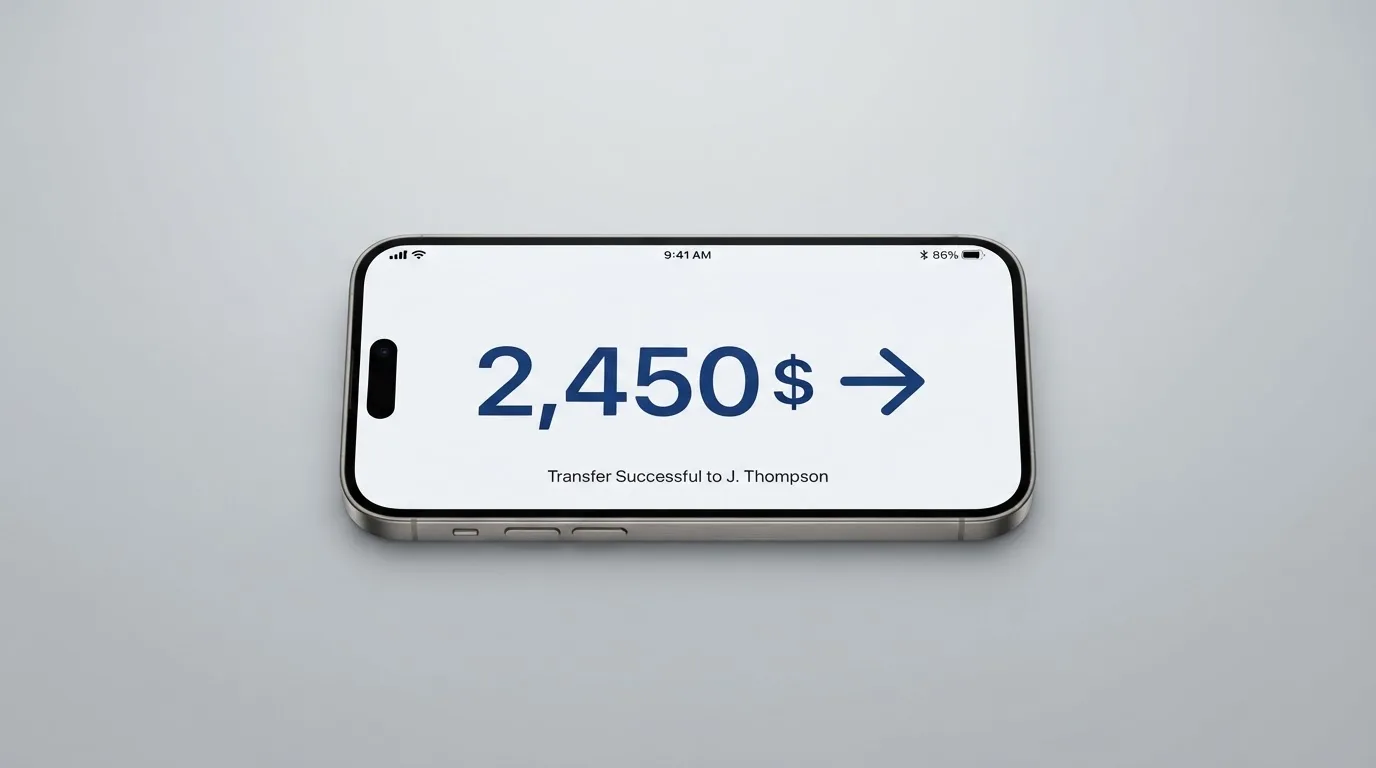
Monica says the on-chain confirmation is the only delay: once the transfer is confirmed on the blockchain, the naira arrives in your bank within 60 seconds if you are withdrawing rather than loading. The 0% conversion fee applies to the crypto-to-naira sale. The page does not state which networks Monica accepts for each coin, who pays the on-chain network fee, or what the minimum top-up is. That last omission matters, because on Ethereum (ERC-20) a transfer without enough ETH for gas will simply fail, and on Tron the fee mechanics are different again; the only way to know which networks work is to test a small transfer and see.
The wider Monica app, separately from the card, can move money to a Nigerian bank “without fees”, per the App Store listing, with the same 60-second window after on-chain confirmation. Whether the naira balance on the card can be returned to the bank the same way is not stated.
Paying with the Monica Pay card every day
Day-to-day, the Monica Pay card behaves like a prepaid virtual dollar card. You open the app, see your balances, and the card number sits ready for online checkout or for NFC tap-to-pay at a contactless terminal. QR payments are also supported through the Pay Cards product. There is no physical card to lose, no ATM to find, and no magstripe to swipe.
The card does not show up in Apple Pay or Google Pay, and Monica does not advertise tokenisation through the major mobile wallets. That is a real gap: tokenised mobile wallets replace the card number with a device-specific account number kept in the phone’s Secure Element, and each transaction uses a one-time dynamic code, so adding the card to Apple Pay or Google Pay is both a convenience and a security upgrade. Without it, you are typing the card number into websites and tapping the phone on terminals with the raw PAN.
Merchant category restrictions are not stated, which means Monica does not publish a blocked list (some cards block gambling, for instance, or certain high-risk MCCs). Rewards, cashback, sign-up bonuses and staking yields are not stated either. The card is a spend-only product, plain and simple.
The Monica app on iOS holds a 4.6 rating from about 15,000 App Store reviews as of 21 October 2026. The Google Play listing was not read for this review. The app’s overall score is good by industry standards, but it covers more than just the card: Monica positions itself as a pay, send and bills app, so the rating reflects the whole product, not the card alone.
If something goes wrong with a transaction, Monica’s general terms describe a negotiation period of 30 days followed by arbitration in Lagos under Nigerian law. The card-specific terms do not address disputes, chargebacks, or refund procedures at all, which is a meaningful gap for a payment product. Chargebacks on a prepaid card are not a right in the same way they are on a US credit card, and Monica’s silence on the topic means a reader should expect to negotiate with support rather than rely on a network-mandated dispute process.
What can go wrong with Monica Pay
The first thing that can go wrong is also the most basic: you might not be able to get the card. Monica does not publish a country list, the materials are written for a Nigerian audience, and the terms let the company refuse applicants at its discretion. A reader outside Nigeria who tries to sign up is doing so without any published confirmation that the card will be issued to them.
The second risk is the unknown issuer. Monica says the card is issued by an unnamed third-party card partner. That partner is the entity that actually carries the card programme, holds the BIN, and is regulated (or not) as a payment institution. Without knowing who that partner is, a cardholder cannot check the issuer’s licence, segregation of client funds, or regulatory history. It is also not clear which jurisdiction the issuer sits in, which matters because the card’s protection regime (deposit insurance, e-money safeguarding, dispute rights) follows the issuer’s home regulator.
The third risk is operational. Trustpilot lists Monica at 3.7 from a single five-star review dated 19 May 2026, with the profile unclaimed. That is too little data to call the company reliable or unreliable; it is just a thin signal. No independent reviews of the virtual card were found. No public security incident involving Monica was found, which is reassuring but not the same as evidence of strong controls.
The fourth risk is legal. Monica claims to be aligned with the SEC Virtual Assets Service Provider (VASP) framework in Nigeria, and says it complies with the Nigeria Data Protection Regulation (NDPA 2023) and the Nigerian Financial Intelligence Unit (NFIU). These are self-descriptions; the SEC’s public register is the place to confirm VASP status, and I did not find a confirmed listing. The terms bar use from any jurisdiction where crypto-asset services are unlawful, which means the cardholder, not Monica, takes the risk of local-law compliance.
The fifth risk is the card itself, as a prepaid USD product. Prepaid cards have weaker consumer protections than credit cards: in the US, debit reversal rights come from Regulation E and credit rights from Regulation Z, and prepaid-card coverage is patchy. A 3-D Secure step may or may not appear at online checkout (Monica does not say), and AVS (Address Verification Service) is mostly a US, Canada and UK feature, so a foreign-issued prepaid card is more likely to be declined by merchants that rely on it.
The sixth risk is on the crypto side. Sending the wrong coin to the wrong address is irreversible: blockchain transfers cannot be reversed, and if the network is one Monica does not support, the funds are typically lost or recoverable only with manual support intervention. Monica’s published flow says the seven supported coins are sold for naira, but it does not say which networks it accepts for each, so the safest first top-up is a small test transfer.
What to take instead
If Monica Pay’s geographic narrowness or its lack of transparency on the issuer is a problem, three other cards are worth a look. None of them is a perfect replacement, because each one makes a different trade-off between reach, cost, and clarity.
| Card | Score | Who it suits | What stands out | What it lacks |
|---|---|---|---|---|
| Whop Cards | 5.2/10 | US consumers in 31 states and US businesses in 41 states; clearly listed unsupported countries | 5% cashback at select merchants (Uber for now, more planned); spends from a Whop balance backed by stablecoin collateral | Virtual/physical type and card currency not stated; no published conversion or FX fees |
| Stella | 6.5/10 | Readers outside the US and Europe (Stella routes US and European users through affiliates and bars sanctioned users) | Virtual and physical Visa accepted at “over 40 million VISA merchants globally”; custodial in-app wallet that automatically tops up the card | Country list not stated; fees only described inside the app; no cashback on the card itself |
| UniFi Card | 4.7/10 | Readers who need send-money routes to the Philippines, Mexico, the eurozone, and (per recent release notes) Colombia, Brazil and the UK | Prepaid Visa debit card issued by Lead Bank (a US bank), with Apple Pay support; ACH, wire, SEPA and SPEI funding; claimed 3% rewards on balances | Cost and fees not stated; card cashback not stated; eligibility not confirmed from official pages |
Whop Cards is the most transparent of the three on the country question, because it publishes a list of 31 supported US states for consumers and 41 for businesses, plus a clear list of unsupported consumer countries (Belarus, Mainland China, Cuba, Hong Kong, India, Iran, Iraq, Israel, Myanmar, Nepal, Nicaragua, North Korea, Russia, Syria, Turkey, Ukraine, Venezuela and Vietnam). Its weak spot is the absence of stated fees, which means the only way to know what you will pay is to try the product. Stella, by contrast, is the most generous on reach outside the US and Europe, but its country list is implicit rather than explicit, and its fees are inside the app rather than on the website. UniFi Card is the most useful if you specifically need a US bank-issued Visa and Apple Pay, but the cost is opaque and eligibility is not confirmed from official pages.
For a reader in Nigeria, none of these three is a direct substitute for Monica Pay: Whop Cards is US-only, Stella is openly not aimed at US or European users, and UniFi Card’s eligibility is unconfirmed. The honest answer for a non-Nigerian reader is that Monica Pay is one option among several, and the trade-off it asks you to make is geographic focus and issuer opacity in exchange for the published 0% conversion claim.
Who I would recommend the Monica Pay card to
I would recommend the Monica Pay card to a reader who is resident in Nigeria, who already holds Bitcoin, Ethereum, Solana, Tron, BNB, USDT or USDC, and who wants a virtual US dollar card they can use online or with NFC at a Lagos terminal. For that reader, the 0% conversion fee on the crypto-to-naira sale is a concrete saving, the seven supported coins cover most of what a typical crypto holder already owns, and the in-app KYC is a single screen rather than a multi-day process.
I would not recommend it to a reader outside Nigeria. The materials are not written for you, the country list is not published, the issuer is not named, and the dispute process is generic. There are better-documented alternatives on the Whop, Stella and UniFi rosters.
I would also not recommend the card to a reader who needs a physical card, ATM access, Apple Pay or Google Pay, or any kind of rewards programme. None of those are part of the Monica Pay offering as I read it, and there is no public plan I could find to add them.
Before signing up, the things I would check first are: whether the seven supported coins cover what you actually hold, whether you are willing to make a small test transfer to confirm the right network, whether the published 0% conversion claim still applies on the day you apply (it is a marketing line and can change without notice), and whether you can live with the issuer being unnamed. If the answer to all four is yes, Monica Pay does what it says it does; if any of them is no, the alternatives above are worth a closer look.
Frequently asked questions
What is the Monica Pay card?
The Monica Pay card is a virtual US dollar debit card, offered as both a Visa and a Mastercard, issued by an unnamed third-party card partner and run by Monica Technologies Limited, a company based in Lagos, Nigeria. It is funded by selling Bitcoin, Ethereum, Solana, Tron, BNB, USDT or USDC for Nigerian naira inside the Monica app and then loading the card from the naira balance.
How does the Monica Pay card work?
You download the Monica app, complete the in-app KYC, receive a virtual card number, and then send one of the seven supported coins to a Monica wallet address. Monica converts the coin to naira at the live rate with a 0% conversion fee, you load the card from your naira balance, and the card is ready to spend online or by NFC tap-to-pay wherever Visa or Mastercard is accepted.
Is Monica Pay a bank?
No. Monica Pay is operated by Monica Technologies Limited, a Lagos-based technology company that describes itself as aligned with the SEC VASP framework in Nigeria. The actual card is issued by an unnamed third-party card partner, which would be the regulated entity, and Monica itself does not describe itself as a bank.
Who owns Monica Pay?
Monica Pay is run by Monica Technologies Limited, a company registered in Lagos, Nigeria. The card is issued by an unnamed third-party card partner, and the wider group of companies or investors behind Monica Technologies is not described in the public materials I read.
Is the Monica Pay card available in my country?
Monica does not publish a country list. The public pages are written for a Nigerian audience (Lagos, “EN-NG”, NGN payouts), and the terms bar use from any jurisdiction where crypto-asset services are unlawful without specifying which ones. The card works wherever Visa or Mastercard is accepted, but eligibility and regulatory limits are not confirmed for non-Nigerian readers.
How do I get the Monica Pay card?
You download the Monica app on iOS or Android, complete a “one-screen KYC” process inside the app, and receive a virtual card. The documents Monica asks for, the age threshold, and the card-specific verification tiers are not stated in the public materials.
Does the Monica Pay card require KYC?
Yes. The terms say only “eligible verified Users” may apply, and Monica describes a “one-screen KYC” flow inside the app. The exact documents, the age threshold, and the card-specific verification levels are not published.
How do I top up the Monica Pay card?
You send BTC, ETH, SOL, TRX, BNB, USDT or USDC to a Monica wallet address inside the app, Monica sells the coin for naira at the live rate with a 0% conversion fee, the naira lands in your Monica balance, and you load the card from that balance. The networks Monica accepts for each coin, who pays the on-chain network fee, and the minimum top-up are not stated.
Is the Monica Pay card free?
Monica’s public materials state 0% conversion fees on the crypto-to-naira sale and 0% on loading the card, with the FX spread set by the Visa or Mastercard scheme rather than by Monica. A third-party app listing from 2026 mentions a one-time non-refundable $1 fee to unlock the virtual USD card, but that figure is unofficial and is not confirmed by Monica’s own pages.
Is the Monica Pay card safe?
Monica claims alignment with the SEC VASP framework, the Nigeria Data Protection Regulation 2023 and the Nigerian Financial Intelligence Unit, but the card issuer is unnamed and cannot be independently checked. Trustpilot shows a single five-star review from May 2026, and no independent reviews of the virtual card were found. As with any prepaid card, consumer protections are weaker than on a credit card, and crypto transfers are irreversible, so a small test transfer is the sensible first move.
App and neobank card options – cryptocardoptions.com
Content created by the «cryptocardoptions.com» team